
Exploring the Interconnected World of Plants
Herbaria and botanical gardens have played an important role in the development of my research, from my doctoral work to more recent projects. They are not only places of preservation and discovery, but also essential scientific resources for the study of plant diversity, taxonomy, and evolution.
🧾 Herbaria: Archives of Plant Diversity
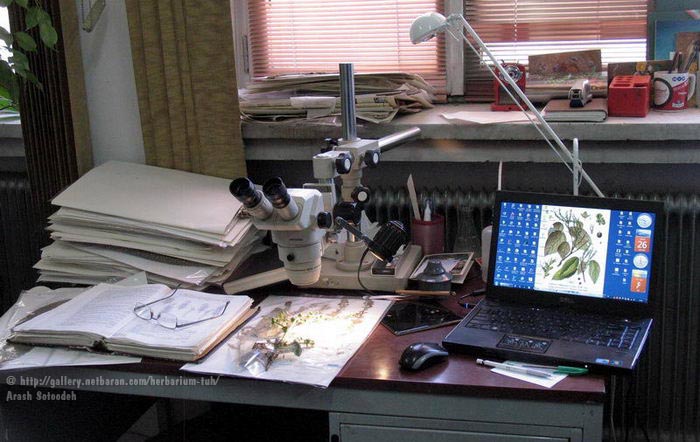
Herbaria preserve specimens that document plant diversity across time and space, making them essential resources for taxonomic and systematic research. Through the study of historical and contemporary collections, it becomes possible to examine morphological variation, verify identifications, trace geographical distributions, and revisit complex taxonomic questions.
Throughout my research, herbarium work has remained an important part of my approach to plant diversity, taxonomy, and evolution. Consulting specimens across different institutions has allowed me to search for relevant material, compare species, explore morphological variation, and support taxonomic and morphometric studies in several plant groups.
Over the years, I have visited and consulted collections at the Conservatoire et Jardin botaniques de Genève, the Herbarium of the Natural History Museum, London, the Herbarium of the University of Montpellier, the Herbarium of the Royal Botanic Gardens, Kew, the Herbarium of Strasbourg, the Central Herbarium of Tehran University, the Herbarium of the Research Institute of Forests and Rangelands, the Herbarium of the Iranian Research Institute of Plant Protection, the Herbarium of Tehran University, Faculty of Pharmacy, and the Herbarium of HKS in Sanandaj.
These collections have given me access to rare and historically important specimens that have supported taxonomic revision, comparative morphology, and broader work in plant systematics and phylogeny. They also provide an important basis for documenting biodiversity over time and for understanding changes in plant distributions.
🌿 Botanical Gardens: Living Laboratories
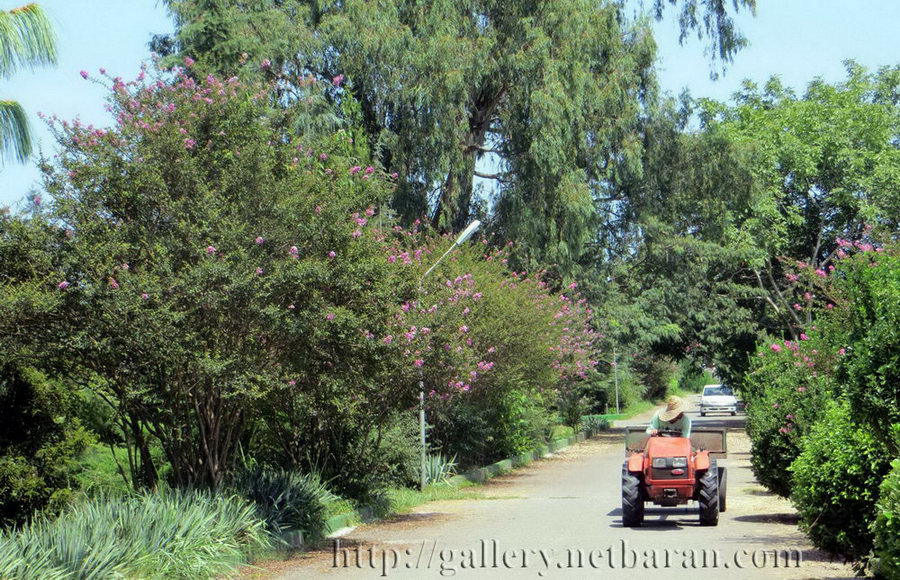
Botanical gardens complement herbarium research by offering access to living collections and direct observation of plants in a dynamic context. The list below brings together a selection of botanical gardens I have visited over the years; the links lead either to a general overview page or to photo galleries from specific visits. Together, these experiences have enriched my perspective on plant diversity, morphology, ecology, and conservation.
They offer opportunities for direct observation of:
- plant–pollinator interactions
- phenotypic plasticity and adaptation
- responses to environmental conditions
Botanical gardens also play an important role in ex situ conservation, public education, and the preservation of rare or threatened species outside their native habitats. In this sense, they serve not only as scientific resources, but also as bridges between research, conservation, and public awareness.
Botanical gardens I have visited :
- Botanical Garden of Limoges (2025-26)
- Botanical Garden of Dijon (2020-2025)
- Botanical Garden of Nice (2025)
- Jean-Marie Pelt Botanical Garden, Nancy (2024-2025)
- Botanical Garden of Lausanne (Switzerland 2024)
- Botanical Garden of Lyon (France 2021)
- Botanical Garden of Istanbul (Turkey 2021)
- Botanical Garden of Geneva (Switzerland 2019)
- Botanical Garden of Strasbourg (France 2019)
- Bordeaux Botanical Garden (France 2017)
- Noshahr Botanical Garden (Noshar, Iran 2016)
- National Botanical Garden of Iran (Tehran, Iran 2014)
- Jardin des Plantes, Paris (France 2013-2015)
- Royal Botanic Gardens, Kew (United Kingdom, 2013)
- Montpellier Botanical Garden (France 2012)
- Toulouse Botanical Garden (France 2012-2020)
🌍 A Broader Perspective on Biodiversity
Together, herbaria and botanical gardens offer complementary ways of understanding plant diversity and its many dimensions across time, space, and environment. They help connect taxonomy, evolution, ecology, and conservation, while also reminding us of the value of long-term observation and careful documentation.
These experiences continue to shape my academic path—not only as part of my research practice, but also as a source of inspiration and a deeper connection to the living world.